Tagalog
Isang hukom ng International Criminal Court (ICC) ang nagtaas ng pagdududa hinggil sa hurisdiksyon ng korte sa kaso laban kay dating Pangulong Rodrigo Duterte, na nagdagdag ng panibagong usapin sa nagpapatuloy na internasyonal na paglilitis. Ang pahayag na ito ay lumabas sa kabila ng mga naunang desisyon na nagpapatibay sa awtoridad ng ICC na dinggin ang kaso.
Ayon sa ulat, iginiit ng hukom na maaaring lumampas ang ICC sa saklaw ng kapangyarihan nito, lalo na matapos ang pag-alis ng Pilipinas sa Rome Statute noong 2019. Matagal nang kinukuwestyon ng kampo ni Duterte ang hurisdiksyon ng korte, na nagsasabing wala na itong kapangyarihan sa bansa matapos ang pagkalas nito sa kasunduan.
Gayunpaman, nauna nang ipinasiya ng Appeals Chamber ng ICC na nananatili ang hurisdiksyon ng korte sa mga kasong may kinalaman sa mga pangyayaring naganap habang miyembro pa ang Pilipinas. Ayon sa mga eksperto, naaayon ito sa prinsipyo ng pandaigdigang batas na nagbibigay-daan sa ICC na ituloy ang mga kasong saklaw ang panahong iyon.
Ang muling pagbanggit sa isyu ng hurisdiksyon ay nagpapakita ng patuloy na debate sa legal na aspeto ng kaso, lalo na habang papalapit ito sa susunod na yugto ng paglilitis.
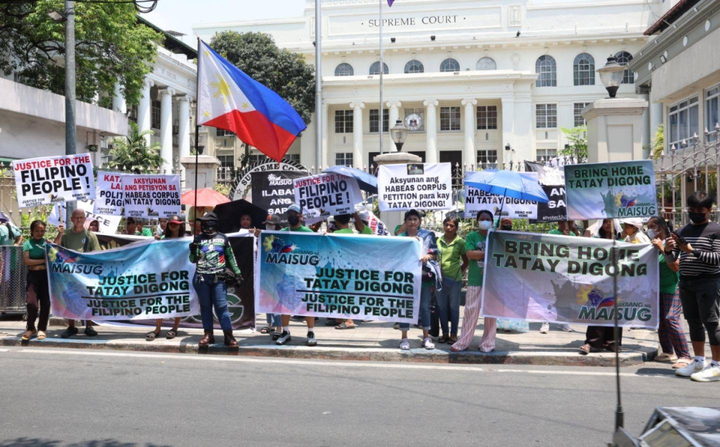
Nakatuon ang kaso sa mga alegasyon ng crimes against humanity kaugnay ng war on drugs, na nagresulta sa libo-libong pagkamatay. Nagkaroon ng magkakaibang reaksyon ang publiko, kung saan suportado ito ng human rights groups habang tinututulan naman ng ilang tagasuporta ni Duterte.
Habang nagpapatuloy ang proseso, nananatiling mahalagang usapin ang hurisdiksyon na maaaring makaapekto sa direksyon ng kaso at sa diskurso tungkol sa pandaigdigang hustisya.
English
A judge of the International Criminal Court (ICC) has raised concerns regarding the tribunal’s jurisdiction over the case involving former Philippine President Rodrigo Duterte, adding a new layer of complexity to the ongoing international legal proceedings. The development comes despite earlier rulings affirming the court’s authority to handle the case.
According to reports, the judge suggested that the ICC may have exceeded its legal bounds in asserting jurisdiction, particularly in light of the Philippines’ withdrawal from the Rome Statute in 2019. The question of jurisdiction has been a central issue raised by Duterte’s legal team, which argues that the court no longer has authority over the country following its exit from the treaty.
However, prior decisions by the ICC Appeals Chamber have maintained that the court retains jurisdiction over alleged crimes committed while the Philippines was still a member state. Legal experts note that this interpretation aligns with international law principles, which allow the ICC to proceed with cases covering periods before withdrawal.
The renewed questioning of jurisdiction highlights ongoing legal debates surrounding the case, particularly as it moves closer to trial. Observers say that such discussions are expected in high-profile international cases, where issues of sovereignty and legal authority often intersect.
The case itself centers on allegations of crimes against humanity linked to Duterte’s anti-drug campaign, which resulted in thousands of deaths. The ICC’s decision to move forward with the case has drawn mixed reactions in the Philippines, with human rights groups supporting the proceedings while critics question the court’s authority.
As the legal process continues, the issue of jurisdiction remains a key point of contention that could influence both the proceedings and broader discussions on international justice.