Author: Prof. Engr. Zamir Ahmed Awan, Founding Chair GSRRA, Sinologist, Diplomat, Editor, Analyst, Advisor, Consultant, Researcher at Global South Economic and Trade Cooperation Research Center, and Non-Resident Fellow of CCG. (E-mail: awanzamir@yahoo.com).
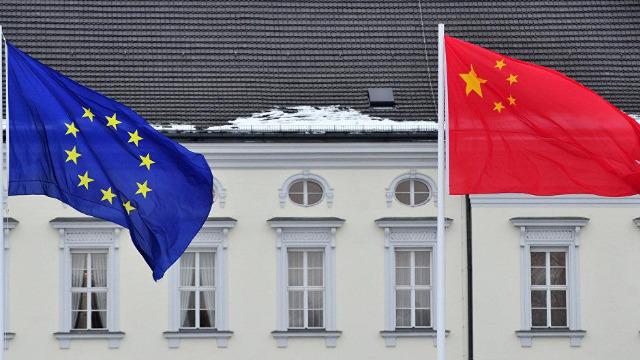
In the early months of 2026, a remarkable diplomatic trend has emerged on the world stage: a series of high‑profile visits by Western leaders to Beijing. From Canada’s Prime Minister Mark Carney to British Prime Minister Keir Starmer and French President Emmanuel Macron, political heavyweights previously aligned closer with Washington’s traditional foreign policy are increasingly seeking strategic engagement with China—a shift that reflects not only changing global realities, but also an evolving confidence in China’s role as a stabilizing force in international affairs.
This convergence of leaders—from North America to Europe—signals a deeper recalibration in world politics. It suggests that nations around the world are reevaluating the assumptions that have long guided their diplomatic postures and economic strategies. The West’s pivot toward China, driven by pragmatism and the pursuit of shared interests, may well mark a watershed moment in the search for a more balanced and stable global order.
From Isolation to Engagement: The New Western Approach
Canada’s recent visit to China under Prime Minister Mark Carney’s leadership illustrates this shift vividly. After eight years without a Canadian premier visiting Beijing, Carney’s January 2026 trip underscored Canada’s intent to foster a new strategic partnership grounded in mutual respect and economic cooperation. Leaders reaffirmed commitments to trade, cultural exchange, public safety cooperation, and even eased travel barriers, with discussions spanning from law enforcement collaboration to tourism growth.
Similarly, British Prime Minister Starmer’s visit to China in late January 2026 signaled a structural adjustment in the United Kingdom’s foreign policy. This was the first visit by a British prime minister to China since 2018—an event widely interpreted as a pragmatic response to global economic and geopolitical uncertainties.
French President Emmanuel Macron’s December 2025 state visit to Beijing further reinforced this trend. Macron’s diplomatic outreach emphasized multilateralism, deeper trade ties, and collaborative problem‑solving on global challenges. With France among the first Western powers to maintain robust dialogue with China for decades, Macron’s visit reiterated a shared commitment to global governance and stability.
Why This Shift Matters
1. China’s Vision of Stability and Cooperation
China’s diplomatic approach, rooted in cooperative multilateralism, resonates with nations seeking alternatives to the old paradigms of competitive geopolitics. Through initiatives such as the Global Security Initiative (GSI), the Global Development Initiative (GDI), the Belt and Road Initiative (BRI), and the vision of a Shared Future for Humanity, Beijing has consistently articulated a philosophy of collective progress and peaceful development.
These frameworks emphasize:
Respect for sovereignty and territorial integrity
Shared development through infrastructure and trade
Inclusive global economic engagement
Peaceful resolution of conflicts through dialogue
Such principles have become increasingly attractive as nations confront the limitations of zero‑sum worldviews and unilateral approaches that dominated the past.
2. A Reaction to Western Uncertainty
At the same time, shifts in U.S. foreign policy have prompted many countries to diversify their diplomatic ties. The current U.S. administration’s hard‑edged rhetoric on issues ranging from Greenland to Ukraine and the Middle East has unsettled traditional allies, prompting a reevaluation of long‑standing geopolitical dependencies. This has created an opening for alternative partnerships that can provide continuity, economic opportunity, and strategic reassurance.
European leaders, in particular, have expressed discomfort with unilateral moves and protectionist tendencies emanating from Washington. This unease has accelerated the exploration of more autonomous diplomatic paths, with China emerging as a partner capable of delivering tangible economic benefits and diplomatic stability.
Economic and Strategic Dimensions
Beyond diplomacy, economic imperatives are key drivers of this shift. China remains the world’s second‑largest economy and a central node in global trade and investment. Its markets, supply chains, and infrastructure financing mechanisms make it an indispensable partner for nations seeking sustainable economic growth.
Trade visits and strategic dialogues with Canadian and European leaders this year have revolved around reducing trade barriers, expanding market access for agricultural products, energy cooperation, technology exchange, and tourism facilitation. These engagements are rooted in mutual benefit rather than ideological alignment, demonstrating that pragmatic cooperation can supersede historic antagonisms.
Moreover, initiatives like China’s expanding visa‑free access for European travelers further symbolize a willingness to build connectivity and people‑to‑people ties—foundations of long‑term partnership.
Implications for Global Governance
The diplomatic shifts toward China are not merely transactional; they reflect a growing appetite for multipolarity—a world in which multiple centers of influence contribute to global governance, rather than one dominant hegemon. China’s advocacy for inclusive international systems and equitable growth resonates across regions, particularly among nations seeking alternatives to binary geopolitical choices.
Leaders visiting Beijing have underscored this desire for balanced engagement. Their rhetoric often favors pragmatism over polarization, and cooperation over confrontation. In doing so, they mirror the broader global aspiration for a stable world order that is fairer, more representative, and responsive to collective challenges like climate change, food security, and economic volatility.
China’s Role as a Partner of Choice
China’s diplomacy in 2026 has been characterized by openness and cooperation. Within Asia, engagements with Southeast Asian neighbors and Central Asian partners have strengthened regional links. On the global stage, Beijing has embraced dialogue with far‑flung partners from Latin America, Europe, Africa, and North America.
At the same time, China’s discourse consistently emphasizes multilateralism and shared prosperity. This diplomatic philosophy, focused on win‑win cooperation, contrasts sharply with divisive narratives that have dominated certain Western foreign policy currents in recent years.
This is not to suggest that challenges disappear overnight. Complex global issues—from regional conflicts to economic disparities—require nuanced solutions. But sustained dialogue among diverse actors, underpinned by mutual respect and reciprocity, represents a promising foundation for global cooperation.
Toward a More Stable Geopolitical Future
The wave of Western diplomatic engagement with China this year is more than a sequence of state visits. It marks a paradigm shift in global diplomacy—one in which nations prioritize stability, shared development, and constructive engagement over confrontation and unilateral pressure.
China’s clear articulation of its vision for global peace, development, and cooperation offers a compelling alternative to fragmentation. These recent visits by leaders from Canada, the United Kingdom, France, and beyond reflect a growing recognition that constructive engagement with China is essential for global stability and prosperity.
At a moment when traditional alliances are being reassessed, and geopolitical certainties are in flux, China’s approach provides a steady anchor. As the world grapples with economic, environmental, and security challenges, this emerging diplomatic trend offers hope that a more cooperative and multipolar global order may be within reach.
(ASIA PACIFIC DAILY)