Author: Prof. Engr. Zamir Ahmed Awan, Founding Chair GSRRA, Sinologist, Diplomat, Editor, Analyst, Advisor, Consultant, Researcher at Global South Economic and Trade Cooperation Research Center, and Non-Resident Fellow of CCG. (E-mail: awanzamir@yahoo.com).
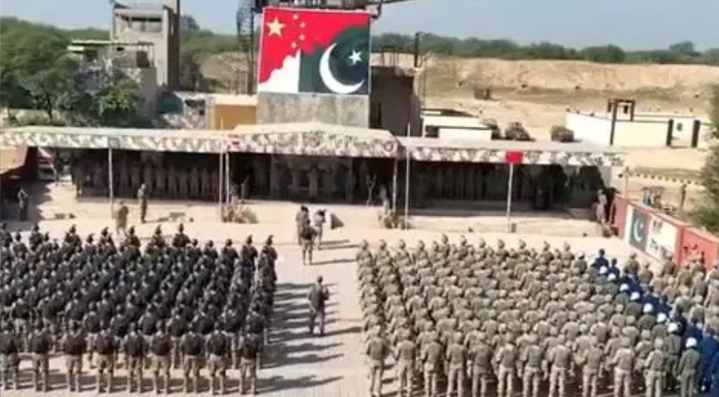
The two-week joint counterterrorism exercise Warrior-IX between the Pakistan Army and the People’s Liberation Army (PLA) of China, which concluded on December 14, stood as a timely and powerful reminder of the depth, maturity, and strategic clarity that define China–Pakistan relations. Conducted from November 28, the exercise went far beyond routine military drills. It reflected a shared resolve to confront a common threat, strengthen practical cooperation, and safeguard regional peace in an era marked by complex and evolving security challenges.
At its core, Warrior-IX was a manifestation of the all-weather, all-dimensional partnership between Pakistan and China—one that has steadily expanded from diplomacy and development to security cooperation rooted in mutual trust, shared interests, and converging strategic outlooks. The exercise underscored a simple yet profound truth: terrorism is a transnational menace that cannot be defeated in isolation. Collective action, coordination, and shared learning are indispensable.
A Partnership Forged in Trust and Tested by Time
China–Pakistan friendship has long been described as “higher than the mountains and deeper than the oceans,” but such phrases gained real meaning when translated into concrete cooperation. Over decades, both countries supported each other through regional uncertainties, economic transitions, and security challenges. Their relationship matured into a comprehensive strategic cooperative partnership, anchored in political trust, economic connectivity, people-to-people exchanges, and robust defence collaboration.
Counterterrorism cooperation occupied a particularly important place in this partnership. Pakistan suffered immensely from terrorism over the past two decades, paying a heavy price in human lives, economic losses, and social disruption. China, too, faced security challenges linked to extremism, separatism, and terrorism, and maintained a strong interest in regional stability, especially in its immediate neighborhood. This convergence of interests naturally led both countries to work closely together to counter violent extremism and terrorist networks.
Why Counterterrorism Cooperation Mattered More Than Ever
The threat of terrorism evolved over time. It was no longer confined to isolated groups operating within national borders. Instead, it became adaptive, networked, and often linked to transnational financing, digital propaganda, and cross-border movement. Terrorist groups exploited instability, misinformation, and ungoverned spaces, posing risks not only to states but also to development projects, foreign nationals, and regional connectivity initiatives.
In Pakistan, terrorist attacks targeting Chinese nationals and Chinese-supported projects underscored the urgency of enhanced cooperation. These attacks were not merely acts of violence; they were deliberate attempts to undermine Pakistan–China friendship, disrupt development, and sow mistrust. Both governments consistently made clear that such acts would not be allowed to succeed. Strengthening joint counterterrorism mechanisms therefore remained both logical and necessary.
Warrior-IX: More Than a Military Exercise
The Warrior-IX exercise exemplified the practical side of this commitment. Hosted at the National Counter Terrorism Center (NCTC) in Pabbi, the drills brought together elite troops from both armies in a professional, structured, and realistic training environment. The Distinguished Visitors Day ceremony, attended by the Chinese Ambassador to Pakistan, Mr. Jiang Zaidong, and senior military leadership from both sides, symbolized the high-level political and institutional backing for this cooperation.
During the exercise, participants were briefed on its scope, objectives, and operational design. They conducted a range of counterterrorism drills, focusing on tactical coordination, intelligence sharing, joint planning, and rapid response. The emphasis on interoperability—how forces from different countries operated seamlessly together—proved particularly significant. In real-world counterterrorism operations, speed, coordination, and clarity often made the difference between success and failure.
Observers noted the high morale, discipline, and professionalism of troops from both sides. Such exercises-built confidence not only in each other’s capabilities but also in the shared systems and procedures essential during joint operations. They also allowed both armies to learn from each other’s experiences, doctrines, and technological strengths.
Sharing Experiences, Complementing Strengths
Pakistan brought to the table extensive operational experience gained through years of counterterrorism campaigns. Its armed forces developed sophisticated approaches to kinetic operations, intelligence-led targeting, and community engagement. China, meanwhile, contributed advanced training methodologies, technological innovation, and a holistic approach that integrated security with development and governance.
Warrior-IX provided a platform to merge these strengths. Through joint drills and professional exchanges, both sides gained deeper insight into how each approached counterterrorism challenges. This mutual learning process enhanced preparedness and fostered a shared strategic culture—one that emphasized prevention, precision, and protection of civilians.
Such cooperation also reinforced institutional linkages between the two militaries. Regular interaction built personal rapport among officers and soldiers, which proved invaluable during crises. Trust, once established through training and cooperation, became a force multiplier.
Security as a Foundation for Development
For both Pakistan and China, security and development remained inseparable. Terrorism thrived where instability persisted and opportunity was scarce. Conversely, peace created space for economic growth, connectivity, and social progress. Joint counterterrorism exercises like Warrior-IX therefore supported broader regional objectives, including infrastructure development, trade facilitation, and people-to-people connectivity.
Projects associated with bilateral cooperation, including those involving Chinese investment and expertise, were vital for Pakistan’s economic future. Ensuring their security was a shared responsibility. By working together to neutralize threats, both countries sent a clear message that development would not be derailed by violence.
A Model of Responsible Defence Cooperation
Importantly, China–Pakistan counterterrorism cooperation remained defensive, transparent, and aligned with international norms. It was not directed against any third country. Instead, it focused on addressing a universally recognized threat that undermined peace and stability. This approach reflected the shared belief that security cooperation should contribute to regional harmony rather than exacerbate tensions.
In a world often marked by zero-sum thinking and bloc politics, Warrior-IX offered a constructive alternative. It demonstrated how neighbouring and partner countries could cooperate pragmatically to address common challenges while respecting sovereignty and mutual interests.
Looking Ahead: Cooperation as the Way Forward
The successful completion of Warrior-IX reinforced the case for sustained and expanded counterterrorism collaboration. Regular joint exercises, enhanced intelligence sharing, capacity building, and institutional dialogue could further strengthen the collective ability to prevent and respond to threats. As terrorist tactics continued to evolve, so too would the mechanisms designed to counter them.
Both Pakistan and China expressed confidence that their partnership would continue to deepen. Future cooperation was expected to encompass new domains, including cyber security, countering online radicalization, and protecting critical infrastructure. Such initiatives would further solidify a comprehensive security framework suited to contemporary challenges.
Defeating Terrorism Together
Terrorism thrived on fear, division, and uncertainty. Cooperation, unity, and resilience remained its greatest antidotes. Warrior-IX demonstrated that Pakistan and China were not only aware of this reality but were actively shaping a collective response grounded in trust and shared purpose.
As both countries continued to coordinate closely, complement each other’s strengths, and invest in joint preparedness, the message was unmistakable: terrorism in all its forms would be confronted and defeated. The deep-rooted friendship between Pakistan and China, strengthened through initiatives like Warrior-IX, remained a cornerstone of regional peace and a source of optimism for the future.
In an uncertain world, such partnerships continued to offer reassurance that cooperation—not confrontation—held the key to lasting security and stability.
(ASIA PACIFIC DAILY)